Pregnancy Comfort
A Gentle Morning Routine for Tired, Heavy Pregnancy Legs
A slow, paragraph-by-paragraph walk through the morning ritual that quietly transforms how your legs feel by 5pm.
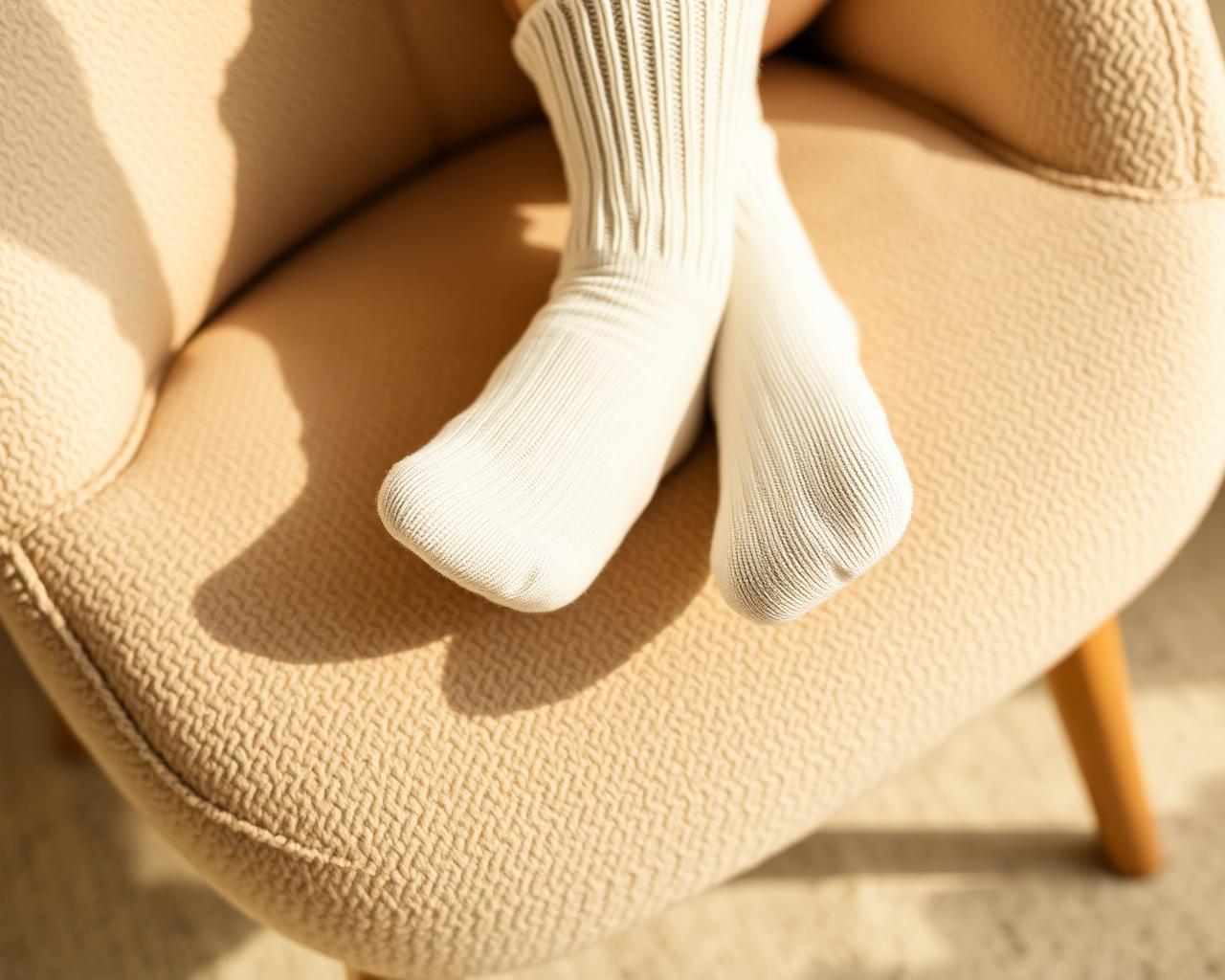
Almost every mom we talk to describes the same arc to her day. The mornings are forgiving. The legs feel light, the ankles look like ankles, and the idea that there could possibly be swelling by evening seems almost theoretical. Then somewhere between the second meeting and the second snack, gravity catches up. By the time dinner is on the table, the calves feel like they're holding water bottles, the shoes that fit at breakfast feel a half-size too small, and the only thing that sounds appealing is putting both feet straight up on the wall and not moving for an hour.
The good news is that the day's end is largely decided in the first thirty minutes after you wake up. The blood pooling, the soft swelling, the heaviness that creeps in by afternoon — almost all of it can be softened by a slow, deliberate morning sequence. Not a workout, not a strict regimen, not anything that requires you to be a different kind of person than you already are. Just a small, repeatable rhythm that nudges your circulation in the right direction before the day even has a chance to push back.
Why the first thirty minutes matter so much
When you've been horizontal all night, the blood and fluid that pooled in your legs the day before has had hours to redistribute. Your ankles look thinner in the mirror at 7am for a reason. The moment you stand up, gravity starts the slow process of pulling everything back down toward your feet. If you give your body a little help before that gravitational tide turns — gentle movement, hydration, compression — you start the day with a real cushion. If you sprint straight from bed to coffee to a long car ride, you spend the rest of the day playing catch-up against a problem that was avoidable.
This isn't about being precious with your mornings. Plenty of pregnant moms are already running on broken sleep, racing to get older kids to school, or trying to be at a desk by 8am. The routine below takes around ten minutes from the edge of the bed to walking out the door. It does not require a yoga mat, a special pillow, or a quiet house. It only requires the willingness to sit on the edge of the bed for sixty seconds instead of jumping up.
The actual routine, in plain prose
Start by sitting up slowly on the edge of the bed before your feet hit the floor. Take a long, slow breath in through the nose and exhale through the mouth. Roll your ankles in slow circles — ten in one direction, ten in the other — while your legs are still warm and the night's pooling is still minimal. This single minute does more for your circulation than almost anything else you'll do all day, because it activates the calf muscle pump while your legs are still in their best, most rested state.
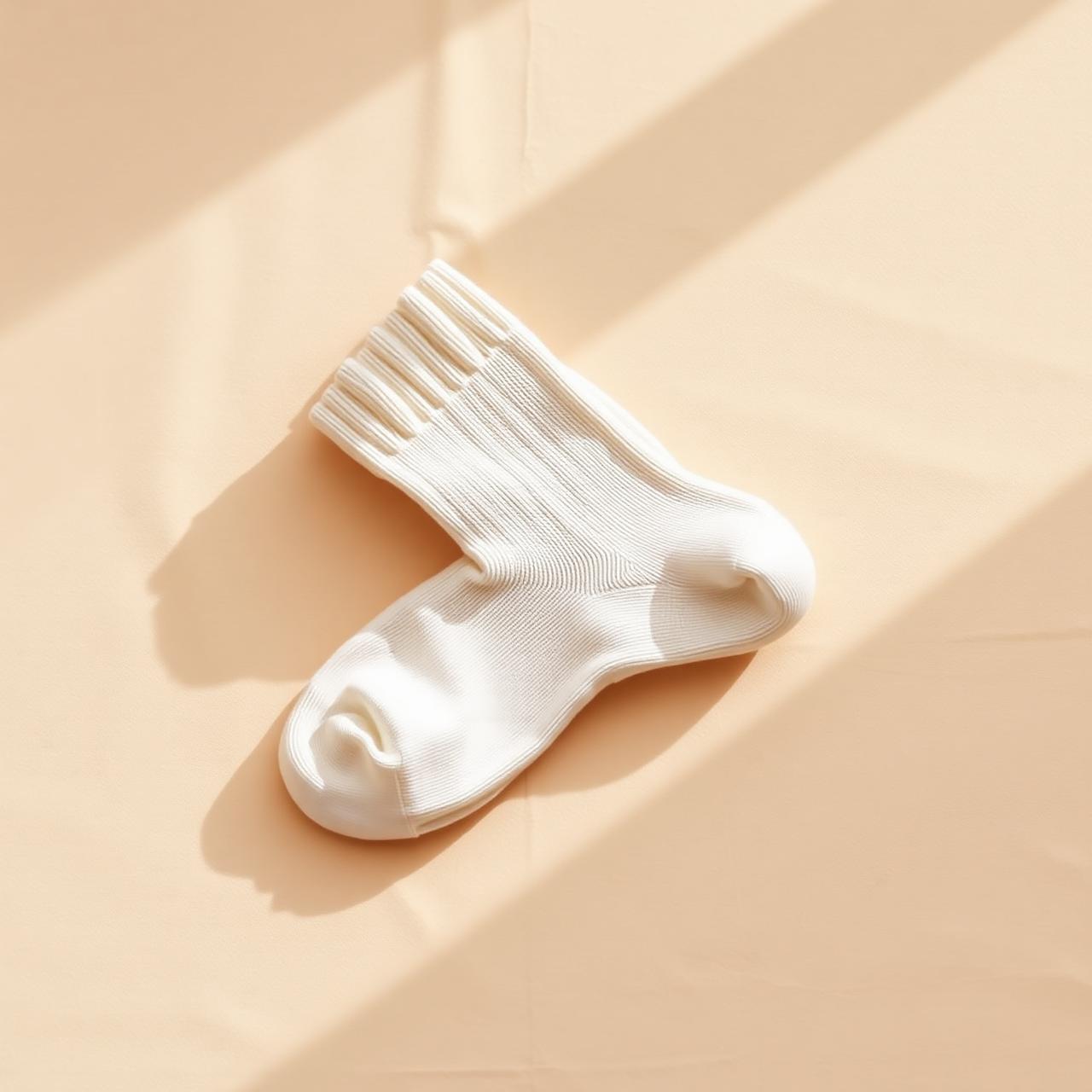
Reach for your compression socks before you reach for anything else. Roll the sock down toward the heel, slip your toes in, and slowly unroll the body of the sock up your calf. Smooth out any wrinkles with the flat of your hand. The whole motion should take less than thirty seconds per leg once you've done it a few mornings in a row. The point of putting them on now, before you walk anywhere, is to catch the day before it has a chance to pool anything in your ankles. Compression that goes on after the swelling has started is helpful. Compression that goes on before the swelling has started is transformative.
Drink a full glass of water. Not a sip, not a swallow on the way to the coffee pot — an actual glass, twelve to sixteen ounces if you can manage it. Overnight you've lost fluid through respiration alone, and your blood is more concentrated than it will be at any other point in the day. Rehydrating before caffeine, before food, before anything else, is the single most underrated comfort move in pregnancy. Your kidneys will thank you, your blood pressure will thank you, and the swelling cycle that begins with dehydration won't get its usual head start.
Adding small layers on top
Once the basics are in place — ankle circles, compression, water — anything else you add is gravy. Some moms like to spend two minutes with their feet up on the headboard or against the wall. Others like to do a slow walk around the kitchen while the coffee brews. A handful of moms swear by a sixty-second cool rinse on the lower legs in the shower, which feels remarkable in the third trimester. None of these are mandatory. Pick the one that feels most natural to you and stop trying to optimize the rest.
The most common mistake we see is moms who try to install a fifteen-step morning routine, manage it for three days, and then abandon the entire thing because it became one more burden in a season that already has plenty. A routine you actually do every morning beats a perfect routine you do twice and quit. If all you can manage is socks-on-before-feet-down and one full glass of water, you have already changed the trajectory of your day.
How quickly you'll feel the difference
Most moms tell us they notice a difference in afternoon heaviness within the first three to five days of doing this consistently. Visible swelling — the kind that puffs the tops of the feet and tightens the strap of a sandal — typically eases within a week. The biggest gains, though, come from the cumulative effect over weeks. Once your body settles into a daily rhythm of gentle circulation support, the late-pregnancy peak that catches so many moms off guard arrives in a much softer form.
Pair the routine with the obvious anti-pooling moves throughout the day — walking for five minutes every hour you're seated, hydrating consistently, elevating in the late afternoon — and you'll often find that the third-trimester evening collapse never quite arrives. You'll still get tired. You're growing a human. But the tired will feel like tired, not like your legs are made of wet sand.
Putting it into your daily routine
The moms who get the most out of compression are the ones who make it boring — same time every day, same drawer, same easy ritual. Slip them on right after you brush your teeth in the morning. Keep a clean pair in your work bag, your hospital bag, and your car. Once it stops being a decision, it just becomes part of feeling better.
A simple weekly rhythm
- Monday–Friday: morning compression for work, errands, and appointments
- Travel days: put them on before you leave the house, keep them on through arrival
- Evenings: 15–20 minutes of feet-up after a long day
- Wash night: rinse in cool water, lay flat, ready by morning
Find your fit
Our size guide walks you through measuring your calf and matching to your shoe size. Most moms save by starting with a 2- or 3-pack so they always have a clean pair ready, one in the wash, and one tucked into the hospital bag.
Frequently asked
Can I wear them every day?
Yes — 15–20 mmHg is gentle enough for daily wear throughout pregnancy and postpartum. Most moms wear them 8–12 hours a day without any issues.
Do they help if my swelling isn't bad yet?
Absolutely. Compression works best when you put them on before swelling sets in. Think of them as prevention, not just relief.
Can I sleep in them?
Generally not recommended — your legs are elevated and pressure on the legs is naturally low when you're lying down. Take them off at night and let your skin breathe.
What real moms say
We've heard from thousands of moms across every stage of pregnancy and postpartum. The patterns are remarkably consistent: heaviness eases first — usually within a few days. Visible swelling improves in the first week. By two weeks of daily wear, most moms tell us they don't want to be without a clean pair.
I didn't realize how much my legs were aching until I put a pair on and the ache just… softened. I've worn them every day since.
We hear the same story from postpartum moms: a pair tucked in the hospital bag becomes the unsung hero of the first week home. From shuffling to the bathroom in the middle of the night to standing through endless newborn snuggles, the gentle compression is one of those tiny luxuries that makes the fourth trimester feel a little kinder.
I packed two pairs in my hospital bag because a friend told me to. I came home wearing one and didn't take them off for three days.
Common mistakes to avoid
- Waiting until swelling is severe to start wearing them — earlier is better.
- Choosing a size by shoe size alone — always measure your calf.
- Skipping wash days — sweat and oils break down elastic faster than wear does.
- Pulling them on by the top band only — that's how seams stretch and tear.
- Wearing them to sleep — your circulation doesn't need the help when you're horizontal.
- Using fabric softener — it coats the fibers and dulls compression over time.
- Owning only one pair — there's no rotation, so they wear out in months instead of half a year.
When to talk to your provider
Compression socks are safe and helpful for the vast majority of pregnant and postpartum moms. Still, there are moments to loop in your provider: a known clotting disorder, peripheral arterial disease, severe diabetes, or any open wounds on your legs. Sudden, asymmetric swelling — especially with calf pain or warmth — always deserves a prompt call.
- One-sided calf pain, warmth, or redness
- Sudden swelling in your face, hands, or around your eyes
- Severe headaches with vision changes or upper-right belly pain
- Rapid weight gain (more than 3–5 lbs in a single week)
- Skin discoloration that doesn't fade after taking the socks off
Building a daily comfort routine
The moms who get the most out of compression don't think of it as a 'product' — they think of it as part of getting dressed. Lay out your pair the night before. Slip them on before your feet ever hit the floor. Pair the habit with something you already do — coffee, your prenatal vitamin, the morning podcast. Within a week or two it stops feeling like a decision and starts feeling like part of who you are during this season.
A gentle morning sequence
- Sit on the edge of the bed and do 10 ankle circles in each direction.
- Roll the sock down to the heel, slip your toes in, and unroll up the calf.
- Smooth out any wrinkles — they create pressure points by midday.
- Drink a full glass of water before you do anything else.
- If you have time, spend 60 seconds with your feet up on the wall before standing.
An evening wind-down
- Take the socks off when you change into pajamas.
- Spend 10–15 minutes with your feet elevated above heart level.
- Massage your calves toward your knees with a light lotion or magnesium oil.
- Hand-rinse the day's pair in cool water and lay flat to dry overnight.
The bigger picture
Pregnancy and the fourth trimester are physically demanding seasons. The small comforts add up: a good water bottle within arm's reach, a pillow that supports your hips, shoes that don't pinch, and a pair of socks that takes the edge off by 3pm. None of these are heroic on their own. Together, they make the days feel survivable — and sometimes even good.
Compression socks are one of those quiet investments. They don't make headlines, they don't pretend to fix everything, and they aren't a replacement for rest, hydration, or your provider's guidance. What they do is give your veins a steady, gentle assist, day after day. For the moms who wear them, that steadiness becomes part of how they get through long shifts, third-trimester evenings, and those first sleep-deprived weeks home with a newborn.
Frequently asked questions
How long does it take to feel a difference?
Most moms notice the heaviness ease within the first day or two. Visible swelling typically improves over 5–7 days of consistent wear. The biggest gains come from making it a daily habit rather than reaching for them only on hard days.
Will my calves get weaker if I wear them every day?
No. Daily-wear compression at 15–20 mmHg supports circulation; it doesn't replace muscle work. You'll still walk, climb stairs, and engage your calves throughout the day.
Can I wear them during workouts?
Yes — many moms wear them during prenatal yoga, walking, and light strength work. Skip them for hot yoga or anything that traps a lot of heat against the skin.
What if a pair feels too tight at the top?
Fold the band down once for an immediate fix. If it still pinches by lunch, you may need to size up — calf circumference matters more than shoe size for the band's comfort.
The science of graduated compression, in plain language
Graduated compression is built on a simple idea: apply the most pressure where blood is fighting hardest against gravity, and ease that pressure as the leg moves upward. At the ankle, your veins are doing their longest climb back to the heart. The narrow tubes are working against gravity, against increased blood volume during pregnancy, and against hormone-softened vein walls that don't squeeze quite as crisply as they used to. A well-designed sock acts like a steady, gentle hand cupping the lower leg — firm enough to keep blood from pooling, soft enough that you forget you're wearing them within ten minutes.
The 15–20 mmHg range is intentionally chosen for everyday wear. It's strong enough to make a real, measurable difference in venous return, but light enough that it doesn't restrict normal movement, doesn't require a prescription, and doesn't cause the marks or discomfort that medical-grade compression can. Think of it as the difference between a supportive hug and a tight squeeze. One you can wear all day; the other you take off as quickly as possible.
Why pregnancy specifically benefits
Three things change in pregnancy that make compression especially helpful. First, blood volume increases by roughly 45–50% to support the baby. Second, progesterone and relaxin soften the smooth muscle in vein walls, making them less efficient at returning blood. Third, the growing uterus presses on the inferior vena cava — the major vein returning blood from the lower body — which slows return even further. Compression doesn't fix any of these on its own, but it offsets each of them in a small, daily, sustainable way.
A trimester-by-trimester guide
First trimester (weeks 1–13)
Most moms don't think about compression in the first trimester, but if you have a history of varicose veins, blood clots, or you're carrying multiples, this is the best time to start. Early daily wear can actually reduce the chances of new varicose veins forming later in pregnancy. Pair it with extra hydration and movement breaks if you sit at a desk.
Second trimester (weeks 14–27)
Energy comes back, the bump is real, and most moms start to notice end-of-day heaviness. This is the trimester when compression earns its keep. A 2- or 3-pack lets you keep one in the wash, one on, and one in the car or work bag. Aim for 8–10 hours a day, and don't be surprised if you start to genuinely look forward to slipping a pair on in the morning.
Third trimester (weeks 28–40)
Swelling typically peaks between weeks 30 and 38. Compression is no longer optional for most moms — it becomes the difference between making it through dinner and collapsing into bed at 7pm. This is also when many moms size up: calves can grow half an inch or more, so check the fit weekly and don't force a pair that has started to feel restrictive.
Postpartum (weeks 0–12)
The biggest swelling surprise often happens after delivery, not before. As your body releases the extra fluid it held during pregnancy, it tends to settle into your feet and ankles for several days. Compression in the first two postpartum weeks is one of the kindest things you can do for yourself — especially if you delivered by c-section and movement is limited at first.
How compression fits with the rest of your day
Compression works best when it's part of a broader rhythm of movement, hydration, and rest. Wearing them while glued to a desk for ten hours helps — but pairing them with a five-minute walk every hour helps far more. The combination of gentle external pressure and natural calf-muscle pumping is what really moves blood efficiently.
- Hydration: aim for 8–12 cups of water spread through the day, not gulped at once.
- Movement: 5 minutes of walking or ankle pumps every hour you're seated.
- Elevation: feet above heart level for 15–20 minutes in the late afternoon or evening.
- Sleep position: left side with a pillow between the knees relieves vena cava pressure.
- Footwear: supportive sneakers or slip-ons with a wide toe box during the day.
Materials, fit, and the details that matter
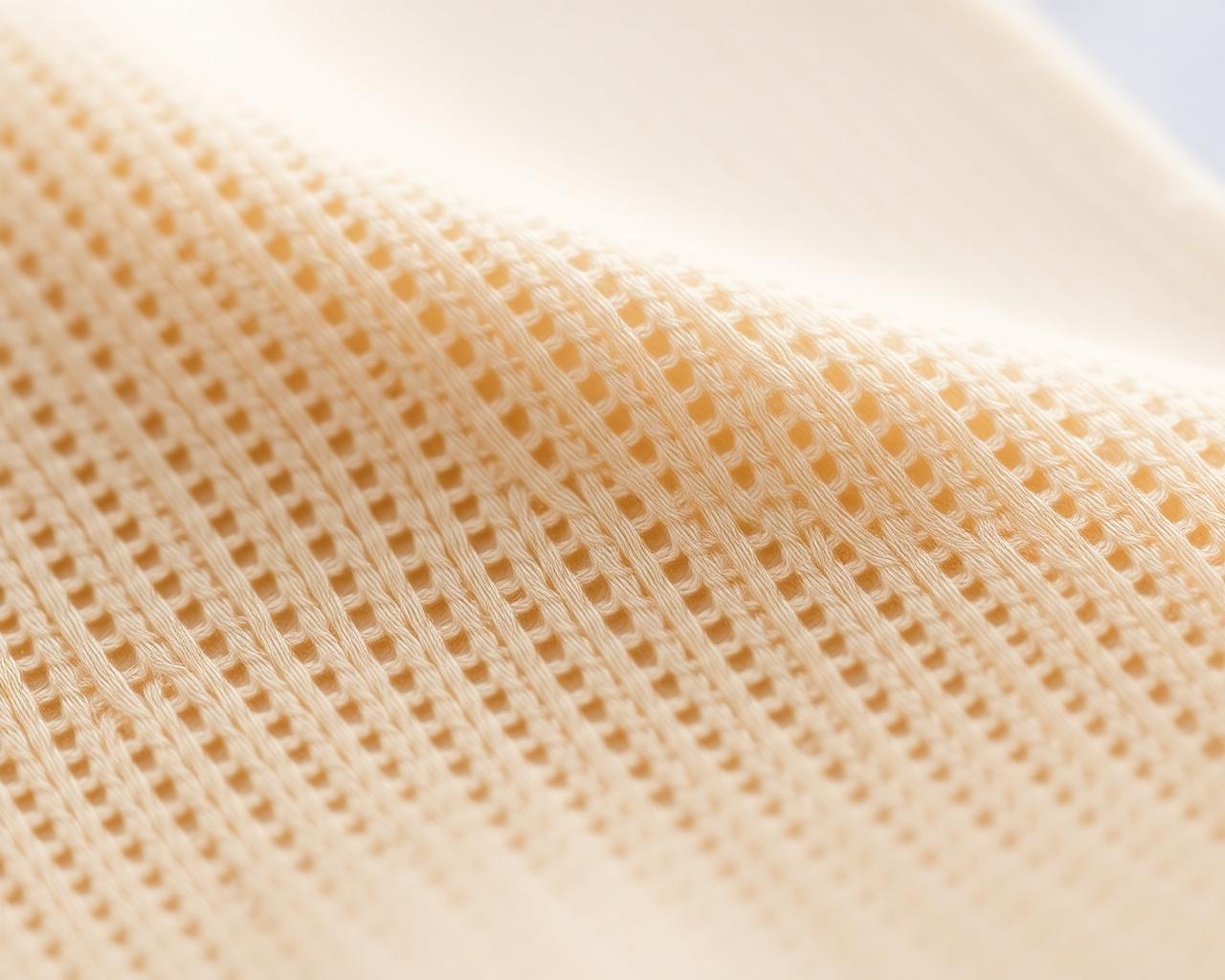
Two pairs of compression socks can have the same mmHg rating and feel completely different on the leg. The fabric blend, knit density, top-band construction, heel placement, and toe seam all change the daily experience. We test our pairs against the things moms tell us matter most: a top band that doesn't dig in, a fabric that breathes through a 12-hour shift, a heel that lands where your heel actually is, and a toe seam that doesn't rub against the inside of your shoe.
What good fabric feels like
- Soft to the touch the moment you take it out of the package — never plasticky or stiff.
- Wicks moisture instead of holding it against the skin.
- Maintains its stretch after 30+ washes (look for at least 20% spandex).
- Doesn't pill across the calf or thin at the heel after a season of wear.
What good fit feels like
- Snug at the ankle, gradually lighter up the calf.
- Top band sits below the back of the knee without pinching or rolling down.
- No bunching at the ankle or behind the heel.
- You stop noticing them within 10 minutes of putting them on.
Beyond the legs: the small ways comfort compounds
One of the surprises of pregnancy is how much one comfort decision can ripple into others. When your legs feel lighter, you're more willing to take the evening walk that helps you sleep. Better sleep makes hydration easier. Better hydration helps with constipation, blood pressure, and that 3pm energy crash. Compression isn't magic — it's one piece of a small, sustainable comfort system that lets you keep showing up for the things that actually matter.
The moms who thrive in pregnancy aren't the ones who white-knuckle their way through it. They're the ones who quietly stack tiny advantages: a water bottle they actually like, a pillow that holds them in place at night, sneakers with real arch support, and yes, a clean pair of compression socks waiting in the drawer. None of these are heroic on their own. Together they make 40 weeks feel like a season you got to live through, not just survive.
Real customer stories
I'm a labor and delivery nurse, six months pregnant, and I work 12-hour shifts. I told my manager I was about to take leave early because my legs were destroying me. A coworker handed me a pair of these. Two weeks later I'm still working, still on my feet, still feeling human at the end of the day.
Bought them for the third trimester swelling. Ended up wearing them through delivery, through the hospital stay, and for the first three weeks home. They became my postpartum security blanket more than anything I bought for the baby.
I travel for work and was about to cancel a 7-hour flight at 30 weeks because the idea of swollen ankles for a week scared me. Wore these the entire flight, walked off looking and feeling normal. Bought another pair the next day.
I'm a teacher. Standing for hours, no breaks. By 5pm in the third trimester I was crying in the car. These don't fix everything but they give me back two hours of comfort at the end of the day, which is enough.
A note on what compression cannot do
We want to be honest: compression socks won't make pregnancy painless. They won't fix back pain, hip pain, sciatica, or pelvic girdle discomfort. They won't undo a long day of dehydration or replace the rest your body is asking for. They won't lower your blood pressure or treat any underlying condition. What they will do — quietly and consistently — is give the veins in your legs a steady assist so that everything else you're doing for yourself works a little better.
If you have a specific concern — sudden one-sided swelling, persistent calf pain, a known clotting disorder, or any worsening symptoms — please call your provider. Compression is a gentle daily tool, not a diagnostic one.
Caring for the planet (and your wallet)
A well-cared-for pair of compression socks lasts 4–6 months of regular wear, sometimes longer. That works out to a few cents per wear for the kind of daily comfort that genuinely changes how you feel. Treating them gently — cold wash, mesh bag, no fabric softener, lay flat to dry — easily doubles their useful life. We design our socks to be repaired or recycled at the end of life rather than tossed, and we package without single-use plastics whenever possible.
More frequently asked questions
I'm in my first trimester. Is it too early?
Not at all. Many moms start in the first trimester, especially if they have a history of varicose veins, sit at a desk all day, or are carrying multiples. Earlier is generally better than later.
Are they safe with my prenatal yoga or walking routine?
Yes. Compression supports circulation during light-to-moderate exercise. Skip them only for hot yoga or anything that traps significant heat against the skin.
Will they help with restless legs at night?
Some moms find that wearing compression during the day reduces evening restless-legs symptoms. The socks themselves should come off at night — the goal is better daytime circulation, not nighttime pressure.
Can I wear them after a c-section?
Yes — and many providers actually recommend compression after a c-section to support circulation while you're moving less. Confirm with your care team, but it's a very common postpartum recommendation.
What size should I order if I'm between sizes?
If you're early in pregnancy, go with the smaller size. If you're in the third trimester, go up — your calves are likely to grow another half-inch before delivery. The top band should feel snug, not tight.
Do I need a prescription?
No. 15–20 mmHg compression is over-the-counter and considered safe for healthy pregnant adults. Anything 20 mmHg and above should be discussed with your provider.
Putting it all together
Pregnancy is forty weeks of tiny daily choices that add up. Compression socks are one of the easiest, gentlest, and most consistently helpful of those choices. They don't ask much of you — pull them on in the morning, take them off at night, rinse them in cool water once a day or two — and in return, they give back the small comforts that make long days feel manageable: lighter legs at 5pm, ankles you recognize at the end of a flight, calmer evenings on the couch with your feet up.
Whatever brought you to this article — heaviness in your calves, swelling that surprised you, a friend who swears by them, or a 12-hour shift with another one tomorrow — we hope you find a pair that quietly becomes part of your routine. And we hope this season is gentler on your body than you feared, with a few small luxuries woven into every day.